Schools & Education
Ann Arbor Public Schools Board Approves $20.4M in Cuts Despite Community Outcry
By Staff · July 21, 2026
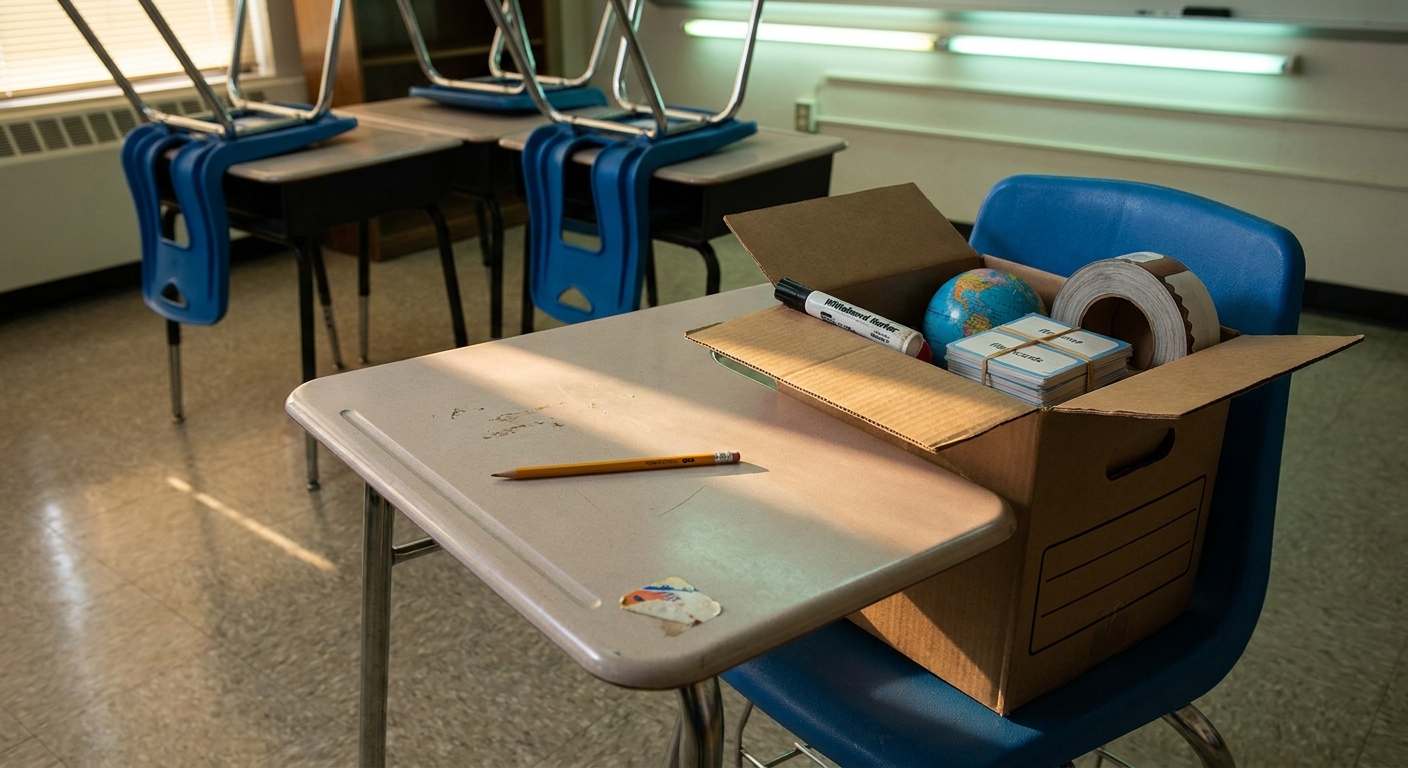
Over parent protests, Ann Arbor Public Schools' Board of Education voted 6-1 on May 20, 2024, to approve $20.4 million in budget cuts to address a projected deficit—eliminating 141 positions, including 94 teaching jobs, and reducing language instruction and other programs.
For families who chose Ann Arbor partly because of the range of its public schools, the vote kept Superintendent Jazz Parks' plan intact and put a hard price on the district's financial crisis: AAPS balanced its budget by reducing teaching staff, support staff, and specialized offerings that set its schools apart.
Staffing made up approximately $14.7 million of the $20.4 million package. The 141 eliminated jobs included 94 teacher positions, along with other support staff roles—meaning fewer adults in schools to teach, assist, and serve students. Students also lost access to language classes and other programs that had been part of the district's educational offerings.
The district was under genuine financial strain. Enrollment had dropped by 1,123 students over the previous four years, a key driver of the budget crunch. Michigan schools receive much of their funding based on enrollment, so a smaller student body brings in less revenue. At the same time, the district added 480 staff over 10 years while enrollment dropped, raising payroll costs without corresponding revenue support from the state's per-pupil funding formula.
But the dispute before the board was never just about whether a deficit existed. It was about who would bear the consequences.
Community protesters demanded that administrative rather than classroom positions bear the brunt of reductions. Only one board member voted against the package in the 6-1 decision. The board kept Superintendent Parks' plan—which targeted teaching staff, language classes, and other programs—largely intact.
That decision leaves a clear accountability question for Ann Arbor: Did district leaders exhaust other options before cutting the people and programs closest to students? The district has not publicly disclosed whether it lobbied the state legislature in 2024 for changes to the per-pupil funding formula, sought emergency state aid, or mounted a campaign for operating millage authority beyond existing legal limits. The district is pursuing a sinking fund millage renewal in 2026, but sinking funds, by Michigan law, cannot pay for salaries or operating expenses such as the teaching positions eliminated in 2024.
The 2024 cuts did not resolve the district's structural deficit: two years later, Ann Arbor Public Schools faced a new $4.27 million shortfall in its proposed 2026-27 budget, raising the prospect that fiscal pressures would continue to erode educational quality.
Whether the Ann Arbor Public Schools board managed decline responsibly in May 2024 or failed to defend the public educational infrastructure that defines the city remains the central question for residents whose property values, community identity, and children's futures depend on the answer. Residents can advocate for different priorities in future budget cycles or seek to replace board members in the next election.